
The Role of Reinforcement in Building Strong Structures
When it comes to constructing durable and lasting structures, reinforcement plays an essential role. In the world of building projects, especially those involving concrete, using reinforcements helps in enhancing the strength and durability of the structure. Reinforcements counteract tensile stresses that concrete alone cannot withstand. This aspect is crucial for both residential and commercial construction projects, making it a topic worth exploring further.
How Reinforcements Strengthen Concrete
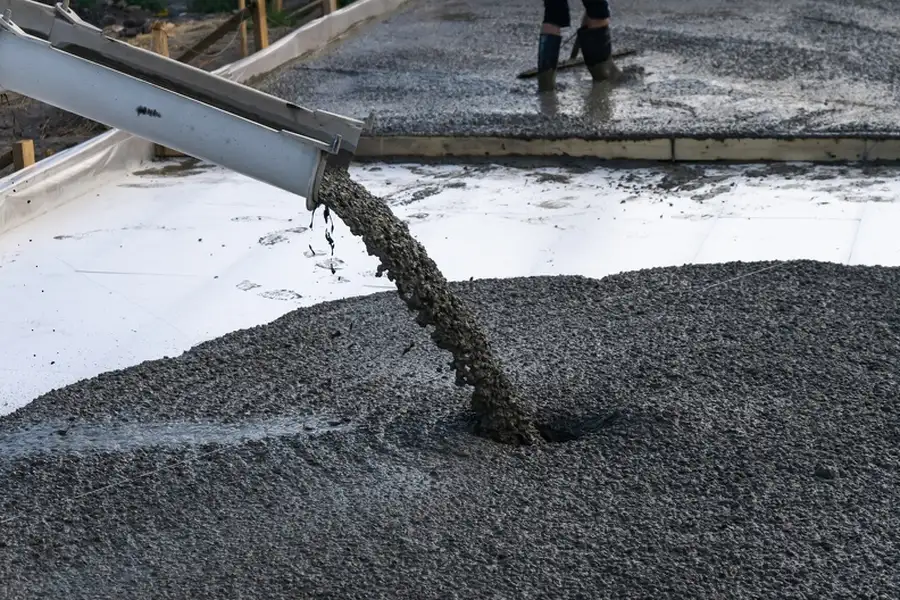
Incorporating reinforcement into concrete enhances its structural integrity. Steel bars or meshes are commonly used as reinforcements because they bond well with concrete and have high tensile strength. These materials help distribute loads more evenly across the entire structure, reducing the risk of cracks and failures. By utilizing reinforcements, builders ensure that their projects can handle everyday stresses without compromising safety.
The Importance of Planning in Concrete Installation
Proper planning is vital when undertaking a concrete installation project. Before laying out any concrete, it’s important to assess the load requirements and environmental factors that may affect the structure. This involves selecting appropriate types and amounts of reinforcement to meet specific project needs. With careful planning, potential issues such as excessive stress or material fatigue can be mitigated, resulting in a safer and more reliable finished product.
Common Challenges Without Adequate Reinforcement
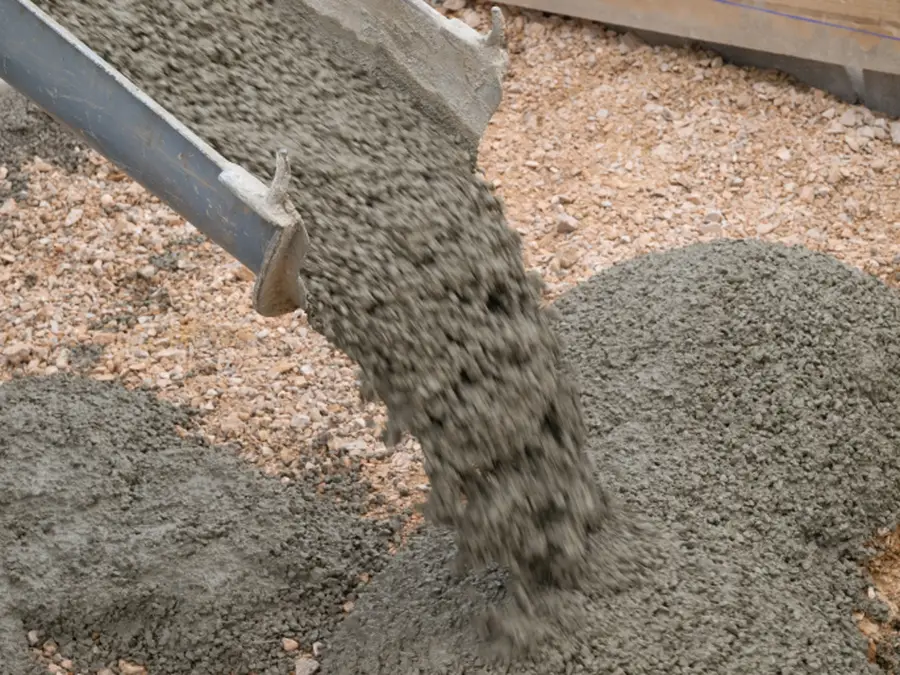
Concrete structures lacking sufficient reinforcement often face significant challenges. Common issues include cracking due to thermal expansion, shrinkage, and external forces like wind or seismic activity. These problems can lead to costly repairs and pose safety risks if not addressed during the initial construction phase. It emphasizes why incorporating proper reinforcement is non-negotiable for any concrete installation endeavor.
Implementing Effective Reinforcement Techniques
To successfully implement reinforcement techniques, follow these steps:
- Select the right type of reinforcement material based on project specifications.
- Ensure correct placement within the concrete to maximize effectiveness.
- Regularly inspect reinforcements during the curing process for alignment and coverage.
By adhering to these steps, you enhance the longevity and safety of your structures significantly.
Adhering to Industry Standards and Regulations
Compliance with industry standards is mandatory for construction projects involving reinforced concrete. Organizations like the American Concrete Institute (ACI) provide guidelines on best practices and safety measures. These standards cover various aspects, including material quality and installation methods. Adhering to such regulations ensures not only legal compliance but also maximizes the lifespan of structures.
Considering Costs in Reinforced Concrete Projects
Cost considerations often top the list for stakeholders in reinforced concrete projects. Though initial expenses might be higher compared to unreinforced alternatives, the benefits outweigh the costs in the long run. Enhanced durability reduces maintenance needs and extends the lifespan of structures, ensuring better value over time. Calculating return on investment should thus factor in reduced repair and operational downtime.
Your Path to a Successful Project
Reinforcement in concrete installation projects is key to achieving robust, long-lasting structures. With Samaritan Contractor by your side, you can navigate this complex landscape effortlessly. Our team stands ready at (808) 278-9361 to assist with your next project. Located in Kailua-Kona, HI, we offer tailored solutions that cater to your unique building needs.