
The Influence of Weather on Construction Outcomes
Weather conditions play a crucial role in construction projects, especially those involving concrete. The quality of the final product can vary significantly based on the weather during the installation process. Understanding how different weather elements affect concrete will help you achieve better results. In this article, we explore the challenges and solutions to ensure high-quality outcomes under varying weather scenarios.
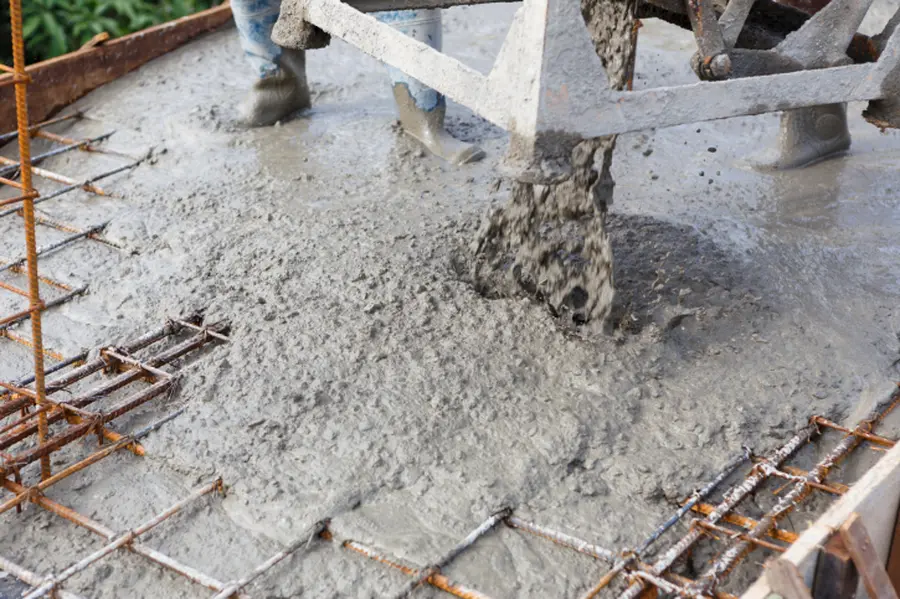
Temperature Effects on Concrete Setting
Temperature is a key factor in the curing process of concrete. Extreme temperatures can lead to poor results. For instance, high temperatures accelerate the curing process, which might cause cracks or weaken the structure. On the other hand, low temperatures can delay setting times and increase vulnerability to frost damage. When planning a concrete installation, consider the local climate to mitigate these risks.
Humidity Levels and Their Impact
Humidity affects the moisture content of concrete as it sets. High humidity levels can slow down evaporation, leading to excess water in the mixture. This might weaken the bond and reduce durability. Conversely, low humidity can result in rapid moisture loss, causing shrinkage and cracks. Monitoring humidity during your concrete installation can prevent these issues and improve longevity.
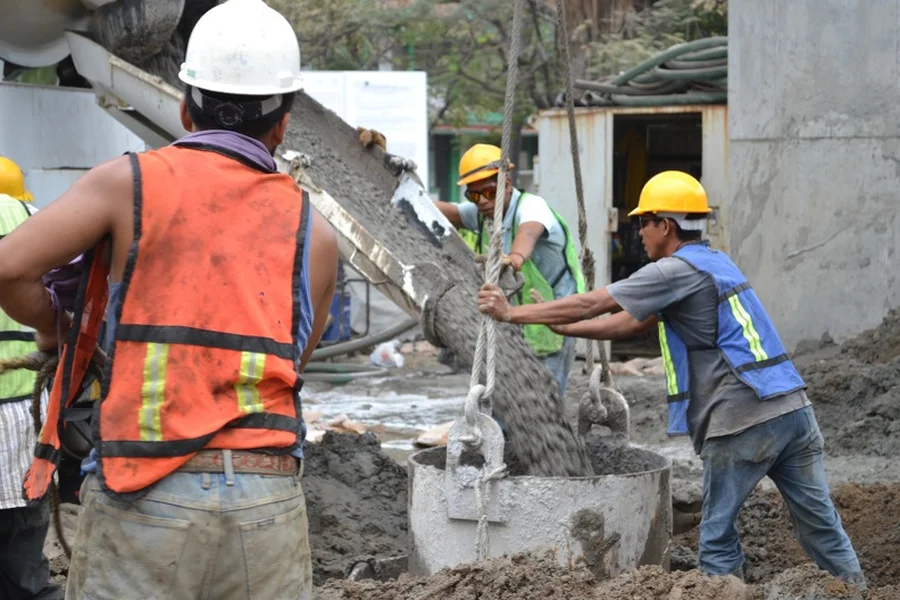
The Role of Wind Speed
Wind speed influences the evaporation rate of surface water from freshly poured concrete. Strong winds can lead to rapid drying, creating surface cracks and reducing overall strength. Protective measures like windbreaks or temporary covers can minimize wind impact during concrete installation, ensuring even curing.
Rainfall Challenges During Construction
Rainfall presents significant challenges for concrete work. Water can wash away cement from the mix before it sets, weakening the structure. It can also create uneven surfaces if not managed properly. To address this, schedule pours when dry weather is forecasted or use protective coverings to shield the area from rain.
Best Practices for Weather-Resilient Concrete Work
- Plan installations around favorable weather conditions.
- Use additives that enhance setting properties in extreme temperatures.
- Employ protective coverings to guard against unexpected rain or strong winds.
- Monitor environmental conditions closely throughout the project.
Industry Standards and Compliance
Adhering to industry standards ensures consistent quality across all projects. Standards such as ACI (American Concrete Institute) guidelines provide necessary benchmarks for temperature and humidity management. Familiarize yourself with these requirements to maintain compliance and optimize your project’s success.
Cost Implications of Weather Delays
The financial impact of weather-related delays can be substantial. Extended project timelines often lead to increased labor costs and resource allocation. By strategically planning around predictable weather patterns and employing best practices, you can minimize these additional expenses while maintaining quality.
Your Pathway to Successful Installations
Weather considerations are vital for any construction project involving concrete. By understanding how various conditions affect material performance, you can make informed decisions that safeguard both quality and budget. At Samaritan Contractor, our team specializes in delivering top-tier results tailored to your specific needs. Contact us at (808) 278-9361 for more information. Based in Kailua-Kona, HI, we are committed to excellence in every detail.